Wildlife Removal vs. Pest Control: Understanding the Difference
Wildlife removal and pest control services help homeowners safely eliminate animals or pests, with local contractors providing tailored solutions for effective and humane results.
Understanding the difference between wildlife removal and pest control is essential for property owners facing unwanted animals or insects on their property. While these services may seem similar, they serve distinct purposes and require different approaches. Whether dealing with raccoons nesting in the attic, squirrels in the walls, or an insect infestation, knowing which type of service to seek can help ensure the problem is handled effectively and humanely. This page aims to clarify these differences, helping property owners in the area make informed decisions and connect with local contractors who specialize in the appropriate solutions.
Exploring this topic is practical for many reasons, especially for those noticing unusual activity or damage around their property. Wildlife removal services focus on safely and humanely removing larger animals that have entered structures or landscaped areas, while pest control typically addresses insects and smaller pests that can multiply quickly. Understanding these distinctions can lead to more targeted and effective treatments, reducing ongoing issues. Keep reading to learn more about how local service providers can assist with wildlife or pest concerns, ensuring the right approach is taken for each situation.
- Wildlife removal - needed when animals like raccoons or squirrels invade attics or yards, with local contractors using humane exclusion methods.
- Pest control - appropriate for infestations of insects or rodents inside structures, with service providers applying targeted treatments.
- Wildlife removal - required when animals pose health risks or damage property, and local pros focus on safe removal and prevention.
- Pest control - necessary for ongoing pest issues like ants or cockroaches, with experts implementing ongoing management strategies.
- Wildlife removal - suitable for situations where wildlife has entered homes or businesses, with local contractors identifying entry points and sealing them.
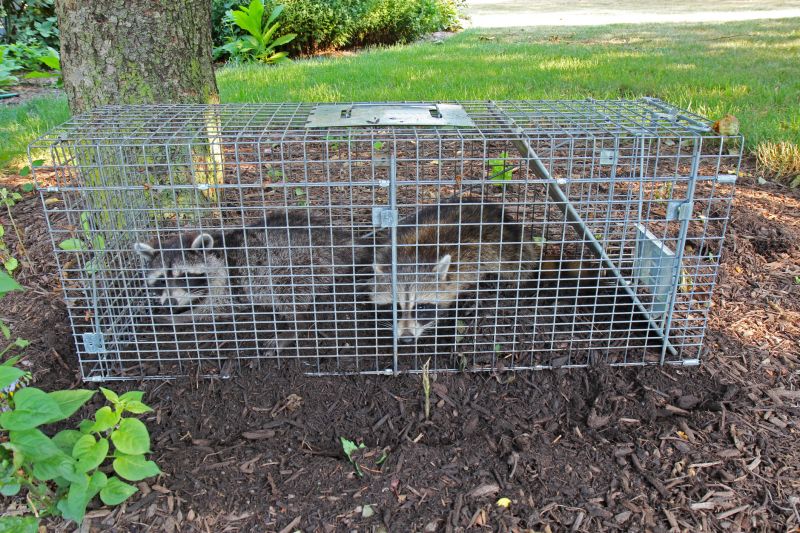
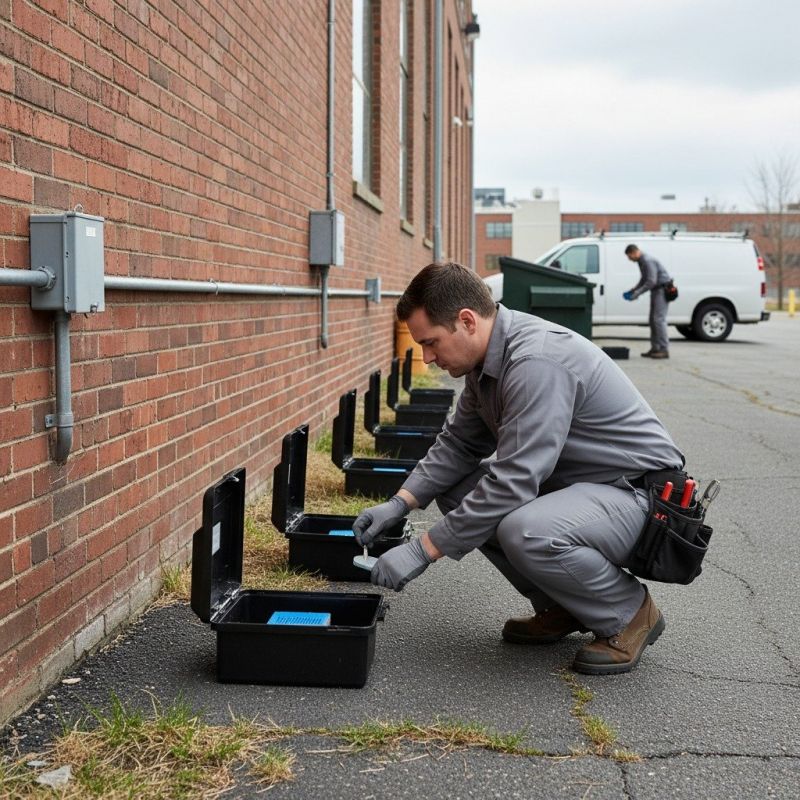
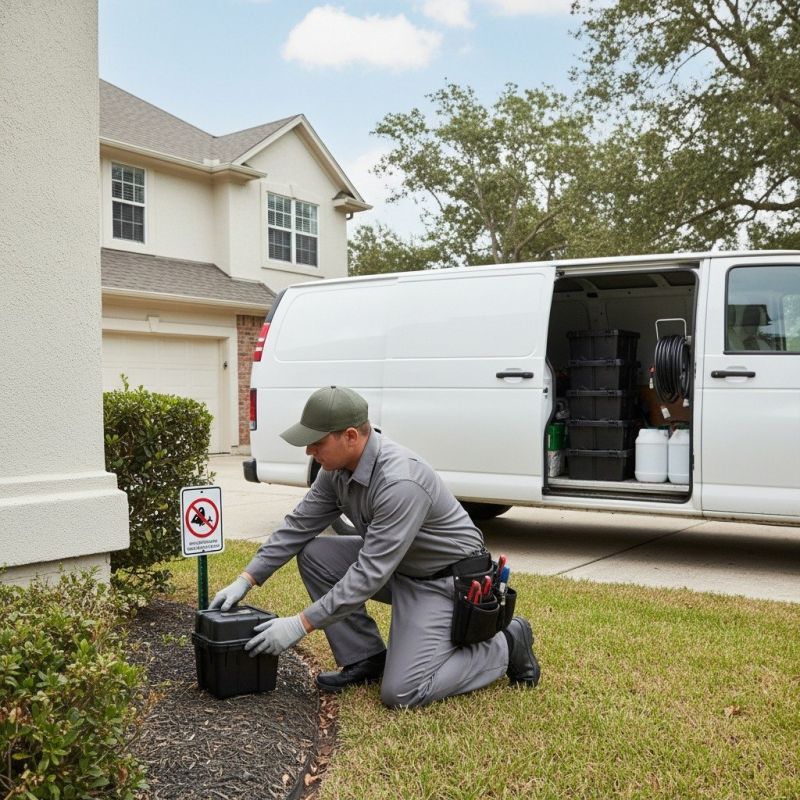
When people search for information about wildlife removal vs. pest control, they are often trying to understand the differences between these two types of services to address specific property issues. Typically, homeowners encounter situations where animals like raccoons, squirrels, bats, or birds have entered their homes or yards, prompting the need for wildlife removal. On the other hand, pest control usually relates to dealing with insects or rodents such as ants, cockroaches, mice, or termites that threaten the comfort and safety of a property. Clarifying these distinctions helps homeowners determine whether they need a professional who specializes in safely removing and excluding wild animals or a team focused on eliminating common household pests.
These services are connected to a variety of property problems and planning efforts. Wildlife removal often involves addressing animals that have taken up residence in attics, chimneys, or crawl spaces, which can cause damage or health concerns if left unaddressed. Pest control, meanwhile, tends to focus on preventing or eradicating infestations that can compromise hygiene, damage structures, or spread disease. Homeowners may seek these services as part of a broader plan to protect their property, improve sanitation, or prevent future issues. Understanding whether a problem involves wild animals or pests helps determine the appropriate approach, and local service providers are equipped to handle each situation effectively.
The types of properties that typically come up in wildlife removal vs. pest control discussions include residential homes, especially those with basements, attics, or yards that attract wildlife. Rural properties or farms may experience more frequent encounters with larger animals like raccoons or foxes, requiring wildlife removal services. Urban or suburban homes often face pest issues like ants, roaches, or mice, which are more common in areas with dense human activity. Commercial properties, such as restaurants or warehouses, can also encounter pest or wildlife problems that threaten hygiene standards or property integrity. Recognizing the property type and the nature of the issue helps homeowners connect with the right local contractors who specialize in either wildlife removal or pest control.
Ultimately, understanding the difference between wildlife removal and pest control is essential for choosing the right kind of professional help. Wildlife removal experts focus on humane and safe methods to remove wild animals and prevent future entries, often involving exclusion techniques. Pest control specialists concentrate on eliminating insects and rodents, typically using targeted treatments to eradicate infestations. For homeowners, identifying whether the problem involves wild animals or household pests guides them toward the appropriate local service providers. These professionals can assess the situation, recommend solutions, and carry out the necessary work to restore safety and comfort to the property.
Bat Removal Services - these projects involve safely removing bats from structures, requiring specialized techniques similar to wildlife removal efforts.
Rodent Exclusion Projects - sealing entry points and preventing pest infestations aligns with pest control strategies and planning for property protection.
Bird Control Solutions - managing bird populations around buildings involves planning and tools comparable to those used in wildlife and pest management.
Squirrel Damage Repairs - addressing structural damage caused by squirrels requires understanding of animal behavior and damage prevention methods.
Insect Pest Management - controlling insects like ants or termites involves planning and application methods related to pest control services.
Wildlife Habitat Modification - altering outdoor environments to deter wildlife or pests involves similar planning and site assessment skills as wildlife removal and pest control projects.
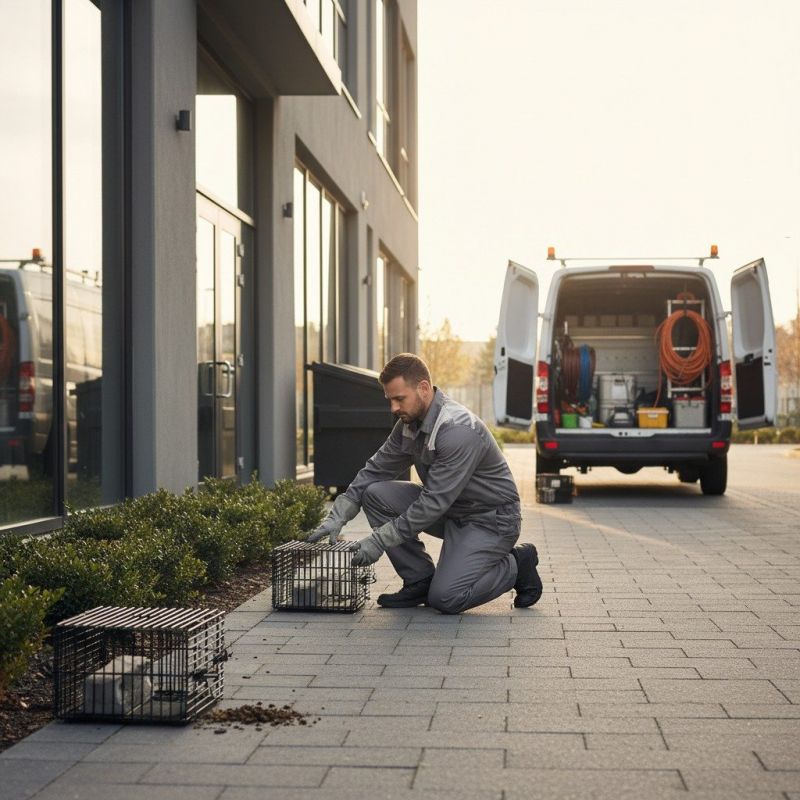
When comparing wildlife removal versus pest control services, it’s important to consider the experience that local contractors have with similar projects. Wildlife removal often involves handling larger animals such as raccoons, squirrels, or bats, and requires different techniques and equipment compared to pest control, which primarily addresses insects and smaller pests. Ensuring that service providers have a history of successfully managing wildlife-related issues can help ensure the job is done effectively and humanely. Asking for references or examples of past wildlife removal projects can provide insight into their familiarity with the specific challenges involved, giving confidence that they understand the nuances of each service type.
Clear written expectations are essential when choosing between wildlife removal and pest control providers. Different services involve distinct approaches and outcomes, so it’s beneficial to have a detailed scope of work in writing. This should outline what the service provider will do, what animals or pests they will target, and any follow-up or preventative measures included. Having a transparent plan helps prevent misunderstandings and ensures that the homeowner and the service provider are aligned on the project goals. It also provides a record of what was agreed upon, which can be useful if questions or concerns arise later.
Reputable references and good communication are key factors when evaluating local contractors for wildlife removal or pest control. Trusted service providers should be able to offer references from previous clients who had similar issues. These references can shed light on the contractor’s professionalism, reliability, and the quality of their work. Additionally, clear and open communication throughout the process helps ensure that homeowners understand the scope of work, any potential challenges, and the steps involved. Choosing a provider who is responsive and transparent can make the experience smoother and more predictable, whether addressing wildlife concerns or pest issues.
Property owners often search for wildlife removal vs. pest control: understanding the difference when they are planning practical projects around their homes and businesses. Local pros provide Wildlife Removal or Pest Control services for everyday jobs and straightforward project options.
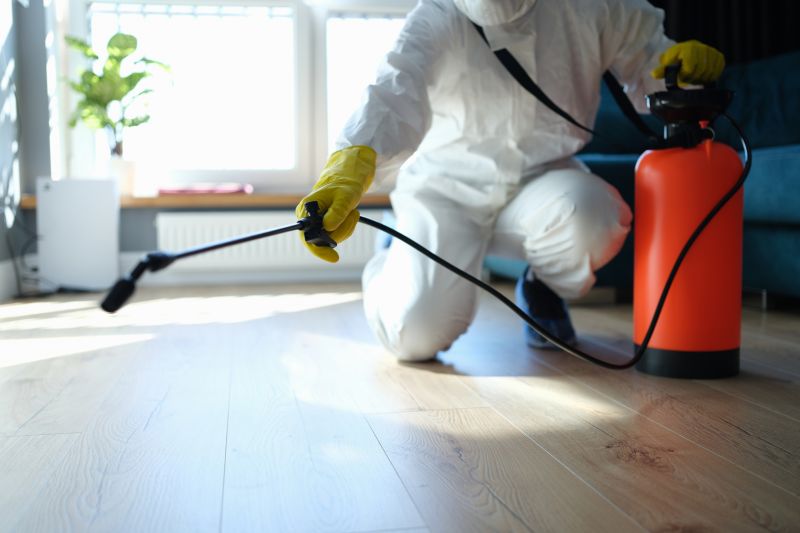
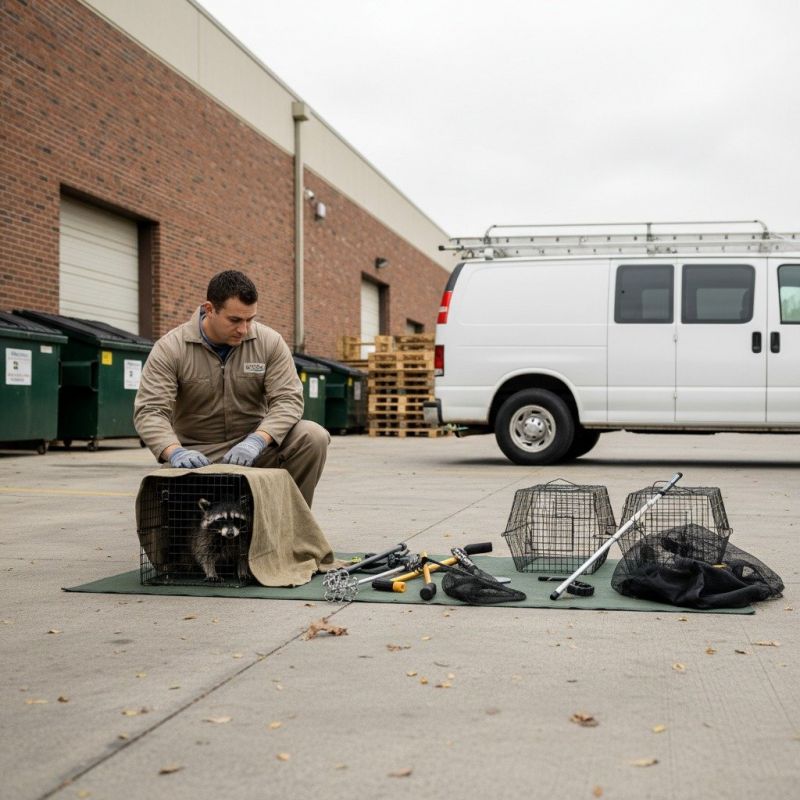
Understanding the difference between wildlife removal and pest control is important for property owners facing various unwanted animals or insects on their property. Wildlife removal services typically focus on humane methods to handle larger animals such as raccoons, squirrels, or bats that may have entered attics, chimneys, or crawl spaces. Pest control services, on the other hand, are geared toward managing smaller pests like ants, cockroaches, or termites that can invade indoor spaces or cause damage. When issues arise, property owners often look up this topic to determine which type of service is best suited for their specific situation and to find local contractors who can provide effective solutions.
Many people in the area turn to local service providers to address these concerns because they want professional assistance tailored to their needs. Whether dealing with animals that threaten property integrity or pests that pose health risks, understanding the distinction helps in choosing the right service. Local contractors can evaluate the situation to recommend wildlife removal or pest control options, ensuring that the problem is handled appropriately. Knowing the differences also helps property owners make informed decisions about the most effective approach to protect their homes and maintain a safe, pest-free environment.
What is the main difference between wildlife removal and pest control? Wildlife removal focuses on safely removing larger animals like raccoons, squirrels, or bats from properties, while pest control targets insects and smaller pests such as ants, roaches, and rodents.
When should I consider wildlife removal services instead of pest control? Wildlife removal is appropriate when larger animals have entered your property or pose a threat, whereas pest control is suited for managing insect infestations or small rodents.
Can local service providers handle both wildlife removal and pest control? Yes, many local contractors offer both services, allowing them to address a wide range of animal and insect issues depending on what is needed.
Are wildlife removal and pest control services performed differently? Yes, wildlife removal often involves humane trapping and exclusion techniques, while pest control typically uses targeted treatments to eliminate insects and small pests.
How do I know which service to choose for my problem? Consulting with local pros can help determine whether wildlife removal or pest control is appropriate based on the type of animals or pests involved and the severity of the situation.
Identify pest or wildlife issues - Property owners can assess whether the problem involves rodents, insects, or larger animals to determine if pest control or wildlife removal services are appropriate.
Choose the right service type - Understanding the difference helps in selecting specialists who focus on either pest extermination or humane wildlife exclusion and removal.
Implement preventative measures - Local contractors can advise on structural repairs or sealing to prevent future wildlife entry or pest infestations.
Schedule targeted treatments or removals - Coordinating with service providers ensures the appropriate approach is used to address specific wildlife or pest concerns effectively.
If you are thinking about wildlife removal vs. pest control: understanding the difference for a property, this guide is meant to help you understand this topic, the typical project types, and how different options might fit your plans.
When you are ready, you can use the quote form on this page to share a few details about your project. From there, local pros can review the basics and follow up with options that match what you have in mind.