How Moles Destroy Lawns, Roots, and Irrigation Systems
People searching for yard mole removal are typically looking to stop moles from damaging lawns, roots, and irrigation systems, and local service providers can effectively handle this problem.
If you’ve noticed unusual mounding, tunnels, or damaged areas in your lawn, you might be dealing with moles and their impact on your property. Understanding how moles destroy lawns, roots, and irrigation systems can help property owners identify the problem early and take steps to protect their landscape. These small creatures can cause significant damage beneath the surface, leading to uneven turf, compromised plant roots, and even disruptions to underground irrigation lines. For homeowners and property managers in the area, exploring effective ways to address mole activity is an important part of maintaining a healthy, attractive yard.
Thankfully, local service providers are experienced in yard mole removal and can help restore your lawn’s integrity. Whether it’s eliminating active moles or preventing future damage, professional contractors can assess the situation and recommend practical solutions tailored to your property’s needs. Keep reading to learn more about how moles damage lawns, roots, and irrigation systems, and discover how trusted local experts can assist in protecting your outdoor space from these underground invaders.
- Common Projects Services
- Mole removal for lawns - when moles create tunnels that damage grass and make the yard uneven, local contractors can implement effective removal strategies.
- Root protection and repair - if moles disturb plant roots or cause underground damage, local pros can assess and restore the affected areas.
- Irrigation system repair - when mole activity compromises sprinkler lines or underground pipes, service providers can identify and fix the issues.
- Garden and landscape restoration - after mole activity disrupts planting beds or landscaping features, local contractors can help restore the original appearance.
- Preventative mole control - to avoid future damage from moles destroying lawns, roots, and irrigation systems, local pros offer ongoing control solutions.
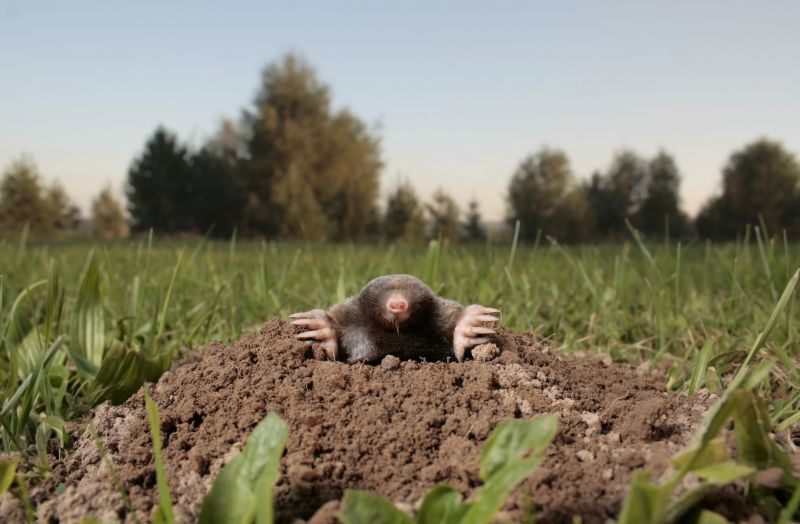
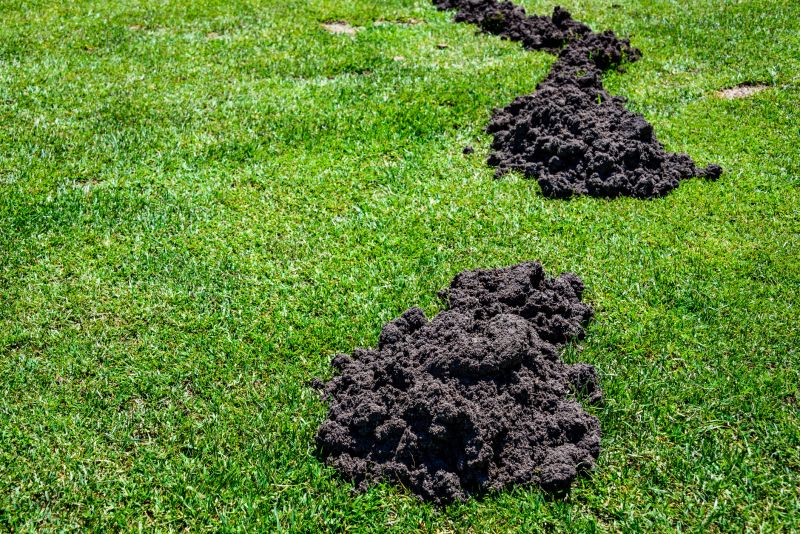
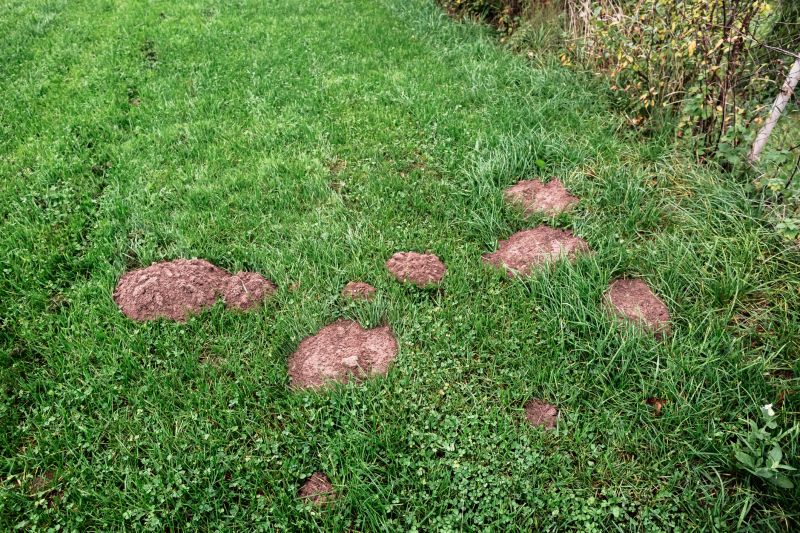
When people search for how moles destroy lawns, roots, and irrigation systems, they are usually trying to understand the damage these small burrowing animals can cause to their property. Moles create underground tunnels that can disturb the soil structure, leading to uneven patches and unsightly mounds on the lawn surface. Homeowners often notice raised ridges or small volcano-like mounds and wonder if these signs indicate a mole problem. This search also reflects concerns about the impact on plant roots and irrigation systems, as the tunnels can disturb the integrity of the soil around plants and underground lines, potentially causing long-term damage.
This topic is closely related to property maintenance and landscape planning. Many property owners are concerned about how mole activity can interfere with their lawn health and the stability of their irrigation systems. Moles don’t typically eat plants or roots directly, but their tunneling can weaken root systems by disrupting soil stability and creating pathways for pests or weeds. Additionally, the tunnels can break or clog underground irrigation lines, leading to leaks, uneven watering, or system failures. For homeowners with established gardens or large lawns, understanding how moles damage these elements is crucial for developing effective pest control and property protection plans.
The types of properties most affected by mole activity often include residential yards, golf courses, parks, and sports fields. These areas usually have expansive lawns or landscaped spaces that provide ideal environments for moles to forage for insects and grubs. Properties with moist, well-drained soil and abundant organic matter tend to attract moles, as these conditions support their primary food sources. Large, open spaces with minimal ground cover or natural barriers are more vulnerable to significant tunneling activity, which can compromise the appearance and functionality of the landscape, especially when it comes to maintaining a healthy lawn or functioning irrigation system.
For homeowners facing damage caused by moles, connecting with local contractors who specialize in yard mole removal can be a practical step. These professionals understand how moles damage lawns, roots, and irrigation systems and can offer targeted solutions to manage and eliminate the problem. From trapping and baiting to installing barriers or other control methods, local service providers help restore the integrity of the landscape and protect irrigation infrastructure. Engaging with experienced pros ensures that the property’s grass, plant roots, and underground systems are safeguarded, reducing ongoing damage and supporting a healthier, more stable yard.
Lawn Aeration Services - professionals who perform lawn aeration can help repair damage caused by moles by alleviating soil compaction and promoting healthy root growth.
Gopher and Pest Control - pest control experts often handle burrowing animals similar to moles, addressing root and irrigation system damage caused by these pests.
Soil Repair and Restoration - specialists in soil repair can assist in restoring lawns affected by mole activity that disrupts underground structures and plant roots.
Irrigation System Repair - contractors skilled in irrigation system maintenance can identify and fix damage caused by mole burrowing that compromises water lines and sprinkler heads.
Garden and Landscape Drainage - landscape drainage experts can address issues related to mole tunnels that cause water pooling and damage to lawn foundations.
Root Pruning and Tree Care - arborists and tree care specialists can manage root damage resulting from mole activity that interferes with underground plant support systems.
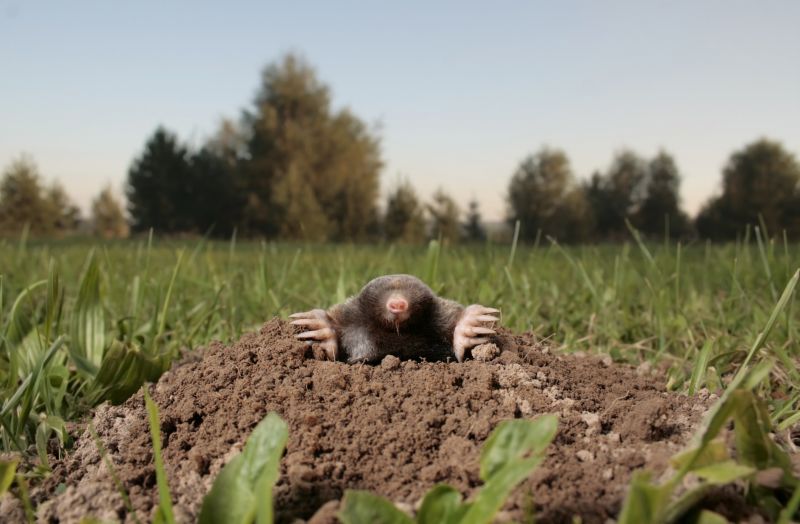
When comparing service providers for yard mole removal, it is important to consider their experience with similar projects. Look for local contractors who have a proven track record in addressing how moles destroy lawns, roots, and irrigation systems. An experienced professional will be familiar with the most effective techniques and common challenges associated with mole activity, ensuring that they understand the specific needs of your property. This knowledge can make a significant difference in achieving a thorough removal and preventing future damage.
Clear written expectations are essential when evaluating potential service providers. A reputable contractor should be able to outline the scope of work, the methods they plan to use, and any necessary follow-up steps in a detailed, understandable manner. This transparency helps ensure that both parties are aligned on what will be done and reduces the likelihood of misunderstandings. Well-defined expectations also serve as a foundation for assessing the quality of service and the professionalism of the contractor.
Reputable references and strong communication are key indicators of a reliable yard mole removal provider. When considering local contractors, ask for references from past clients who had similar issues with moles damaging lawns, roots, or irrigation systems. Feedback from previous customers can provide insights into the contractor’s effectiveness and reliability. Additionally, good communication throughout the process-such as prompt responses to inquiries and clarity in explanations-can help build confidence that the service provider will address concerns thoroughly and keep you informed at every stage of the project.
Property owners often search for how moles destroy lawns, roots, and irrigation systems when they are planning practical projects around their homes and businesses. Local pros provide Yard Mole Removal services for everyday jobs and straightforward project options.
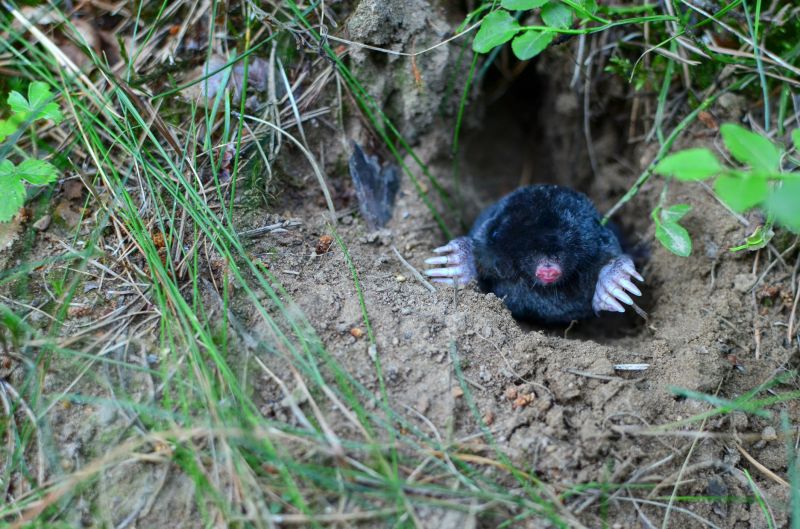
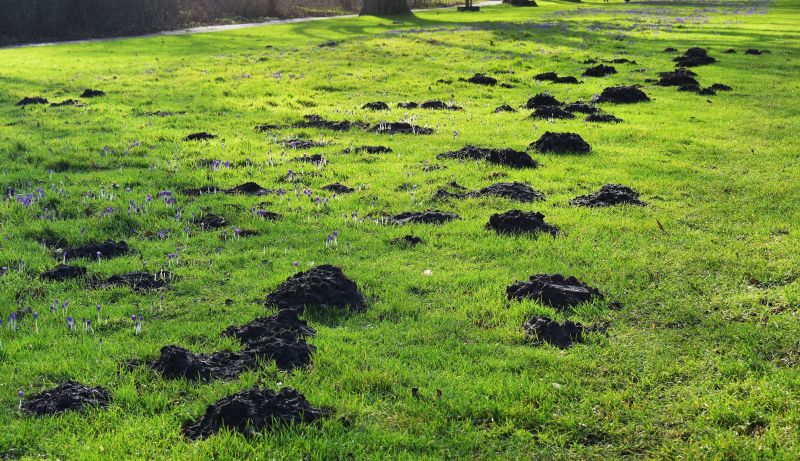
Moles can cause significant damage to lawns, roots, and irrigation systems through their tunneling activities. As they burrow beneath the surface, they create a network of underground tunnels that disrupt the root systems of grass and plants, leading to patchy, uneven lawns. These tunnels can also interfere with underground irrigation lines, causing leaks or blockages that reduce watering efficiency. Property owners noticing uneven patches, increased soil mounding, or damaged sprinkler lines may seek out local contractors experienced in yard mole removal to address these issues before they worsen.
In many cases, the presence of moles can lead to long-term damage if not managed promptly. The continual tunneling can weaken the structural integrity of lawns and disturb plant roots, making it harder for grass to grow back healthy. Additionally, their activity may unintentionally damage underground irrigation systems, resulting in costly repairs or replacements. Those dealing with persistent mole activity often turn to local service providers who specialize in yard mole removal, helping to restore the health of their lawns and protect irrigation infrastructure efficiently.
How do moles damage lawns and underground systems? Moles create tunnels that disturb the soil structure, leading to uneven surfaces and damaged roots. Their burrowing can also compromise irrigation lines, causing leaks and water damage. Local contractors can identify mole activity and implement removal methods to protect the lawn and underground systems.
What signs indicate moles are destroying my lawn and irrigation? Signs include raised ridges, molehills, and visible tunneling on the lawn surface. You might also notice damaged sprinkler lines or pooling water, which can result from mole activity interfering with underground irrigation. Professionals can assess the damage and recommend effective removal strategies.
Can mole removal services help protect my lawn’s roots and irrigation systems? Yes, experienced service providers can eliminate moles and their tunnels, reducing the risk of further damage to roots and irrigation lines. They may use trapping, baiting, or other methods suited to the specific situation to restore the health of the lawn and underground infrastructure.
Are there specific methods local pros use to eliminate moles and prevent future damage? Common methods include trapping and mole repellents, which help remove active moles and discourage new ones from settling. Properly sealing or repairing damaged irrigation lines is also part of the service to prevent ongoing issues caused by mole activity.
Why should I consider hiring a professional for mole removal and lawn repair? Professionals have experience in identifying mole activity and implementing effective removal techniques. They can also assess the extent of damage to roots and irrigation systems, providing solutions to restore the lawn’s health and prevent future problems.
Identify mole activity signs - property owners can look for surface tunnels and mounded soil to determine if moles are active in their yard, prompting a call to local contractors for removal.
Assess damage to lawns and irrigation systems - noticing uneven patches or disturbed sprinkler lines can indicate mole interference, leading to professional inspection and repair services.
Implement preventative measures - property owners can work with local pros to install barriers or traps to reduce mole activity and protect roots and irrigation infrastructure.
Schedule regular inspections - routine checks by local contractors help catch mole damage early, minimizing long-term destruction of lawns, roots, and irrigation systems.
If you are thinking about how moles destroy lawns, roots, and irrigation systems for a property, this guide is meant to help you understand this topic, the typical project types, and how different options might fit your plans.
When you are ready, you can use the quote form on this page to share a few details about your project. From there, local pros can review the basics and follow up with options that match what you have in mind.